Home/Reports/2024

Annual Report 2024

Strategic directions, activities delivered, key outputs and recommendations for 2024.

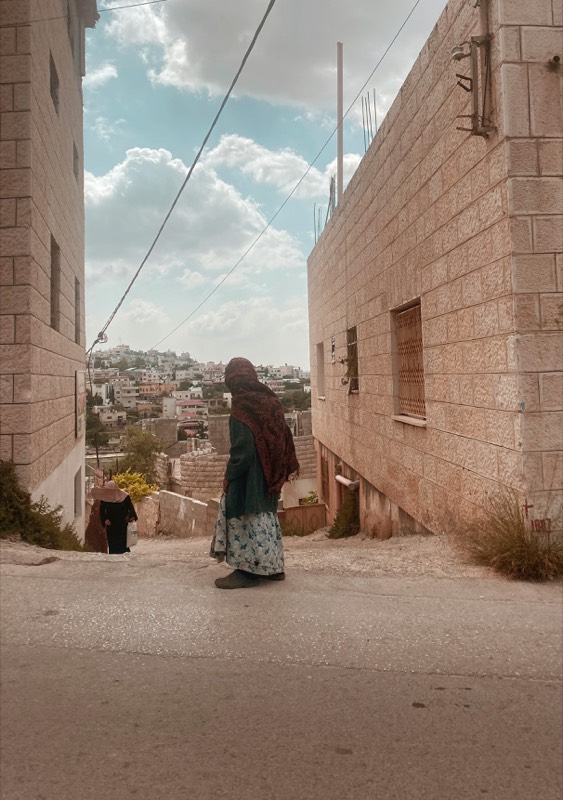
A village street, Palestine — همام فؤاد · CC BY-SA 4.0 · Photography & credits

Strategic directions

During 2024, HDIP focused on inclusive community development, with particular attention to women, youth, students and underserved groups. Its work emphasised health education, education support, research, capacity building and community empowerment.

The programme gave increasing attention to health education as one of the basic pillars for improving quality of life and strengthening community awareness, delivering awareness programmes on mental health, reproductive health, sound nutrition and the prevention of chronic disease — through interactive workshops in schools and universities and media campaigns on social platforms.

2024 was a distinct stage in the programme's path: it continued its leading role in supporting women, youth and school and university students, using empowerment as a tool for change, education as a means of advancement, and policy as a route towards social justice.

Key figures

2024
  • 8,321participants in the Right to Education Project, 61% female
  • 345activities delivered across eight governorates
  • 1,700students trained in first aid across 85 courses
  • 355participants with disabilities included

PDF not yet supplied

The five pillars of 2024

01

Health Education and Awareness

Health awareness and educational programmes for women, university students and school students; workshops on mental health, reproductive health, nutrition, disease prevention and healthy lifestyles; interactive sessions in schools and universities; digital and social media dissemination; first aid and emergency response training.

  • Increased knowledge and awareness of key health issues.
  • Improved understanding of disease prevention and healthy behaviours.
  • Strengthened practical skills in first aid and emergency response.
  • Improved access to reliable and understandable health information.
02

Research and Knowledge Development

Workshops, lectures and seminars on the importance of scientific research; encouraging students, researchers and academic communities to engage in research and knowledge sharing; dissemination of information and educational materials related to health and development.

  • Increased awareness among students and researchers of the importance of scientific research.
  • Strengthened research and critical-thinking skills.
  • Greater engagement with knowledge generation and evidence-based approaches.
03

Local Capacity Building

Specialised training in health education, health systems and preventive approaches; training community members, particularly women and youth, as informed participants and contributors within their communities.

  • Strengthened knowledge and practical capacities.
  • Improved health literacy among targeted women and youth.
  • Increased ability to make informed health-related decisions.
04

Right to Education Programme

Continued implementation of the Right to Education Programme; educational support to students experiencing learning gaps; activities to strengthen critical thinking and community participation; integration of public health concepts into non-formal education.

  • Supported students in addressing learning gaps and educational challenges.
  • Strengthened critical-thinking and problem-solving skills.
  • Enhanced awareness of the relationship between education and health.
05

Community Empowerment and Inclusion

Prioritising women, youth, students and underserved communities in programme design and delivery; community-based activities responding to identified educational and health needs.

  • Increased access to educational and health knowledge among underserved groups.
  • Strengthened confidence, knowledge and capacity to engage with community issues.
  • Contributed to stronger community resilience and participation.

Key outputs

  • Career guidance programmesWorkshops and dialogue sessions with professionals from various fields, giving students the chance to learn from real experience and explore career paths.
  • Creative competitionsCompetitions in writing, arts, innovation and technology, which helped discover and encourage students' talents and build confidence in their abilities.
  • Parental participationRegular meetings and awareness workshops that strengthened communication between students, families and the organisation, and increased the support available to students.
  • Diverse educational contentEducational videos, articles and interactive materials that made learning more engaging and addressed students' diverse needs.
  • Environmental awarenessClimate change, sustainability and environmental protection integrated into training, alongside clean-up campaigns and tree-planting initiatives.
  • Study groups and research clubsPeer study groups for cooperation and mutual academic support, plus a scientific research club established in each library.
  • Communication skillsWorkshops that helped students express their ideas, interact with others and build positive relationships with peers.
  • Artificial intelligence in educationAI tools and applications introduced into teaching, including applications supporting language and mathematics learning.
  • Reaching underserved groupsActivities expanded into remote areas, and modern subjects such as programming, digital marketing and digital skills introduced with a focus on women and youth.
  • Improving training qualityQualified trainers engaged, regular evaluation through questionnaires and participant feedback, psychosocial support sessions, and career consultations.

Recommendations

  • Expand career guidance programmesCover a wider range of fields and specialisations, with a particular focus on providing students with practical training opportunities.
  • Establish an online platformFacilitate communication among students, trainers and parents, and support the exchange of information, educational materials and resources.
  • Increase cultural and artistic activitiesEnhance cultural awareness and help students understand the importance and role of the arts in society.
  • Strengthen volunteer activitiesBuild students' sense of social responsibility and develop leadership, communication and teamwork skills.
  • Launch targeted training programmesProgrammes specifically for women with disabilities and unemployed youth, focused on building skills and improving employment opportunities.
  • Focus on empowering marginalised groupsContinue prioritising programmes that improve access to education, training, health and development opportunities.
  • Establish a permanent coordination mechanismBetween civil society organisations and government institutions, to ensure sustained cooperation and coordination of effort.
  • Organise annual forumsTo exchange experience, knowledge and best practice among organisations working in development and health.

2024

8,321participants in the Right to Education Project, 61% female
345activities delivered across eight governorates
1,700students trained in first aid across 85 courses
355participants with disabilities included

Read another year

Annual reporting from 2022 onward sets each year's directions, activities and recommendations side by side.